


The Hottest New Products From ExpoWest
Spokin Ambassador, Allergy-Friendly Private Chef Extraordinaire and Author of the Cookbook Drizzle Kitchen Favorites, Kendra Peterson, went on a mission this weekend to find us the hottest new products at ExpoWest! She scoured the halls hunting down products she knew we would be excited to try. She did not disappoint! In case you missed our Insta Stories, these are the products you'll want to add to your grocery cart as soon as they hit the shelves. This product page was published on 3/17.
Allergy-Friendly Easter Candy
That Easter Bunny is so smart and always knows which candy to give each child 😉. We're here to save the Easter Bunny (in all of us) some time with our allergy-friendly Easter Candy Guide! This product guide was published on 3/20/19. Dedicated | Non-Dedicated Facilities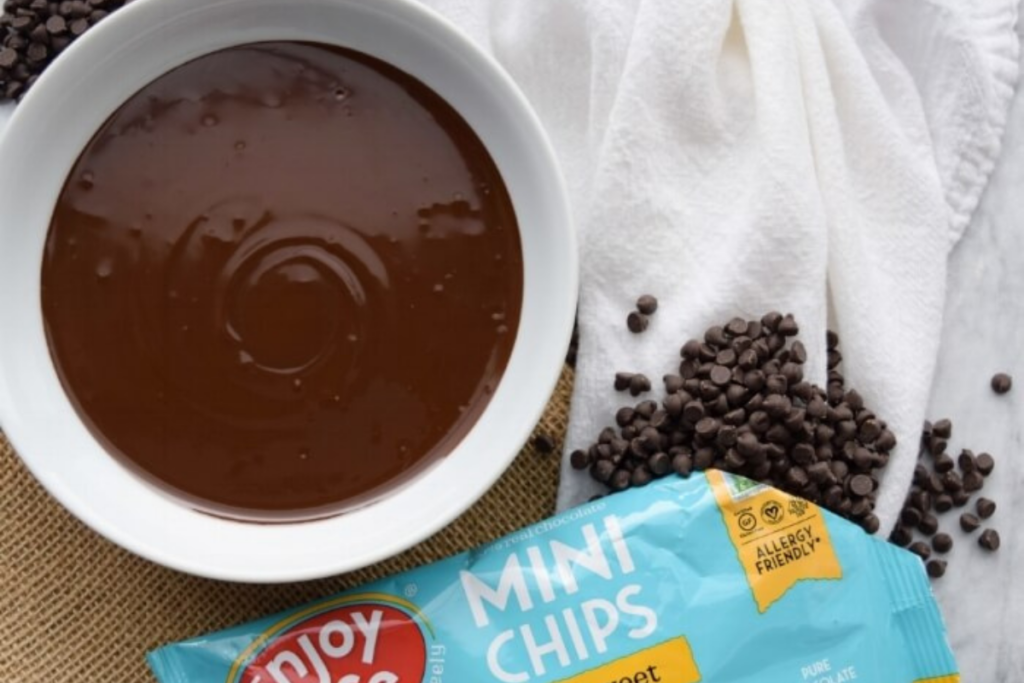
Meet the Top Rated Chocolate Chip in the Spokin App!
Enjoy Life products are certified gluten free, and free from 14 common allergens: wheat, dairy, soy, eggs, peanuts, tree nuts, fish, shellfish, crustaceans, sesame, mustard, sulfites, casein and lupin.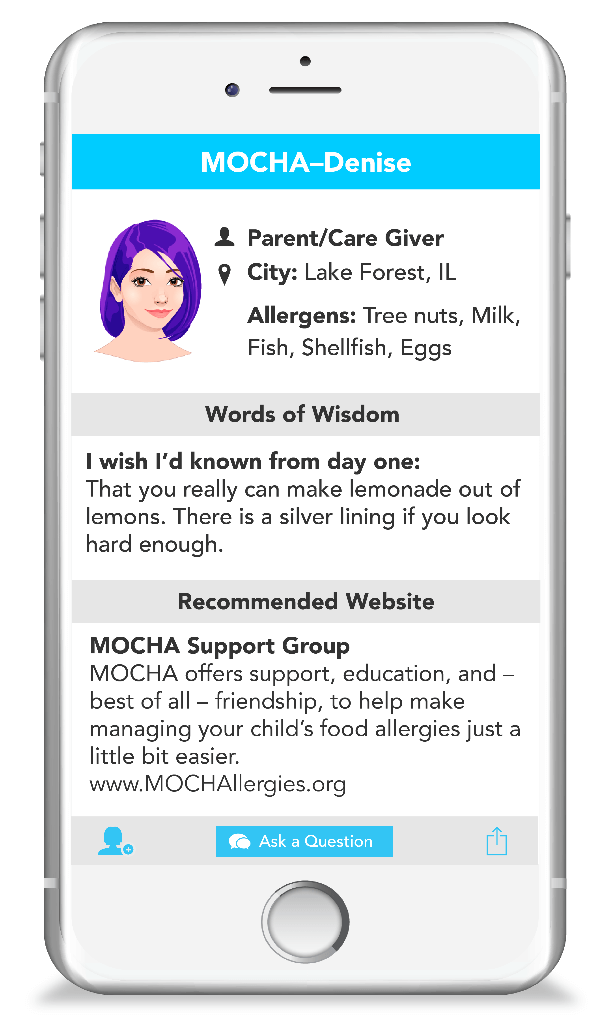
The Mother of All Food Allergies
For decades Denise, the mother of all food allergies, has had a tremendous impact on the food-allergy community. As co-founder of MOCHA, a support group for food-allergy families, serving on the Boards of both FARE and Lurie Children's Hospital, and through her strong advocacy for food allergy research, management, and education, Denise has made it her mission to improve the lives of kids with food allergies. While best known for her leadership, perhaps her largest impact has been felt in the countless, one-on-one conversations she has engaged in with scared, frustrated, and desperate parents, including Spokin founder, Susie Hultquist.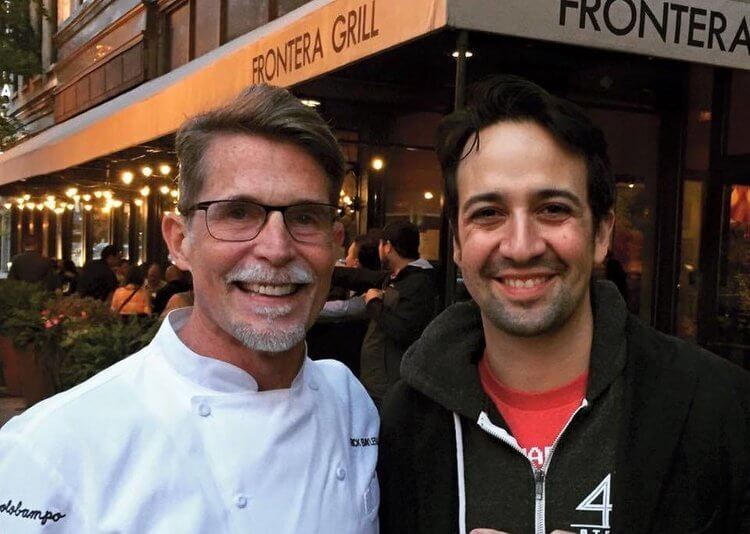
Chef Rick Bayless
Rick Bayless and Lin-Manuel Miranda in front of Frontera Grill. Rick Bayless is the eight time winner of the James Beard award, founder of acclaimed restaurants Frontera Grill and Topolobampo, and is also a food allergy dad. We were eager to find out a Chef’s perspective on serving people with food allergies in arguably some of the busiest restaurants in the country. Rick gave us the skinny on allergies he can accommodate, his restaurant protocols, and his advice to ensure our dining experience is as wonderful as he wants it to be for us.
The Best and Worst Airlines for Traveling with Food Allergies
Airlines and food allergies have been making headlines. Now more than ever we can empower ourselves — with Spokin, know before you fly! From First Class to Grounded and everything in between, we present our first ever 2018 Spokin Airline Rankings! Editorial note: See reviews of the best airports for traveling with food allergies in our 2022 Top Rated Airports Guide!
Meet the Maker: PASCHA Chocolate
As a food allergy dad and expert chocolatier, Simon Lester is the candy man who can. Simon founded PASCHA Chocolate to break the mold of allergen free chocolate, creating an unprecedented 'bean to bar' process that turns beans into rich, allergy-friendly chocolate in a matter of days. We sat down with Simon to get the lowdown on how PASCHA is made and why it so sweet for food allergies.
Auto-Injector Video Tutorials
Learn how to use EpiPen and CVS generic epinephrine auto-injectors in under a minute with Spokin's How-To Videos. Also available in Spanish! Use the share button at the top right of the videos to easily send to teachers, caregivers, family members, and friends.
Scotland + London Nut Allergy-Friendly Travel Itinerary
Hi everyone! My name is Emily, I’m allergic to peanuts and tree nuts, and I just finished traveling to Edinburgh, Scotland and London, England! I ate at a lot of great restaurants and found some amazing sightseeing spots. All of the restaurants in my itinerary were able to accommodate my allergies! My favorite restaurant from my trip is Bertie’s Fish and Chips. See more of my reviews on the Spokin app @nallergy and follow me on Instagram, TikTok, and YouTube @nallergy to see more of my food allergy journey!
New App Features
The Spokin app has been updated to give you more of what you’ve asked for! New features include a food product and recipe search that only shows you results that match your allergens. Video tutorials included!
Please update the app to access these new features.
Please note that in the coming weeks, we’ll transition to support only the recent versions of the app. So please update!