


ALLERGIC REACTION

Ava
Manages: Peanut, tree nut, dairy, egg, fish, shellfish, and legume allergies
What 3 words would you use to describe how you manage your food allergies: Pre-Planning, challenging, confident
How much would you say food allergies impacts your mental health?: Frequently
What resources do you use to manage the mental aspects of living with food allergies?: I would say for me exercising is the most important thing for my mental health. It keeps my mind clear and helps with my anxiety. Another one is when I am cooking this creates less stress for me because I am in control and I know my food will be safe for me to eat.
Describe what you had a reaction to and where it happened?: I ate a bagel from the same bagel place I had gone to, and I noticed something was off and started to have an allergic reaction. We called the place to double-check the ingredients and they forgot to mention there was butter in the bagels.
What was your biggest struggle mentally immediately after the reaction occurred and how did you manage to overcome it?: My biggest struggle mentally was being able to trust what I was going to eat, if it was safe for me, and being afraid I was going to have an allergic reaction.
Has anything changed how you approach or manage your allergies since?: Yes! I always double-check everything before I eat it, even if I have been to the same place for years.
What is the best advice you would give to someone who has had a reaction?: The best advice I would give to someone who has had an allergic reaction is to let your body calm down, and it is normal to not want to eat anything for a while and not have an appetite because the same thing happens to me. I would also say do what feels comfortable to you, because having an allergic reaction is so scary.
Additional Resources: My TikTok account where I share how I navigate life living with food allergies!
Where to find Ava: @avaschleif on Instagram and @avaschleif on TikTok

Caroline
Manages: Peanut, tree nut, egg, fish, shellfish, sesame, kiwi, and mustard allergies
What 3 words would you use to describe how you manage your food allergies: Cautious, diligent, prepared
How much would you say food allergies impacts your mental health?: Frequently
What resources do you use to manage the mental aspects of living with food allergies?: Resources that have helped me manage the mental and emotional aspects of living with severe food allergies include Emotional Freedom Technique tapping, online support communities, and tools that help me feel more prepared and less caught off guard in everyday life.
One thing I especially appreciate is Spokin’s guide to food allergies in movies and TV, which notes whether allergic reactions appear and how severe they are. Because I’ve experienced so many reactions personally, unexpected allergy scenes can be really triggering and bring back difficult memories, so having that information beforehand helps me feel more emotionally prepared and safe while watching.
I’ve also found it helpful to connect with others online who understand the anxiety, hypervigilance, and social isolation that can come with food allergies and chronic illness. Simply seeing people openly talk about those experiences can make a huge difference.
Describe what you had a reaction to and where it happened?: I had a reaction to cross-contamination in ice cream from a food truck.
What was your biggest struggle mentally immediately after the reaction occurred and how did you manage to overcome it?: My biggest struggle mentally was fear around food and the loss of trust in something that had previously felt “safe.” My reaction happened from cross-contamination in ice cream, and afterward it became hard not to see every meal as a potential threat. I became extremely hypervigilant and anxious, constantly replaying the experience in my head and thinking about how quickly things can go wrong.
Has anything changed how you approach or manage your allergies since?: Since then I’ve learned that managing food allergies is not just about avoiding a specific ingredient, but also about navigating the emotional side of living with that level of risk every day. My physical safety is obviously paramount, but I’ve also had to learn how to care for the mental and emotional aftermath that can follow a severe reaction.
What is the best advice you would give to someone who has had a reaction?: Give yourself permission to recover both physically and emotionally. After a reaction, it’s easy to feel frustrated with your body and anxious around food. Allergic reactions can be very traumatic, so it’s okay if it takes time to feel safe or confident again.
I’d also remind people that needing to advocate for yourself does not make you difficult. Asking questions, double checking ingredients, bringing safe food, or setting boundaries are all forms of self protection. Over time, rebuilding trust in your body and your ability to navigate these situations is possible and will make you feel more empowered and in control than before.
Where to find Caroline: @carolinecray on Spokin, @carolinecrayyy on Instagram, and @carolinecrayy on TikTok

Madison
Manages: Dairy and egg allergies
What 3 words would you use to describe how you manage your food allergies: Conscious, informed, mindful
How much would you say food allergies impacts your mental health?: Frequently
What resources do you use to manage the mental aspects of living with food allergies?: I wouldn’t say I rely heavily on specific resources, but over time I’ve built habits that help me feel more confident and safe navigating food allergies day to day. At home, I feel most calm because I know exactly what ingredients are being used and that my kitchen is safe for me.
When eating out, I make sure to communicate clearly with waiters and restaurant staff about my allergies and always double check ingredients or preparation methods if I’m unsure. I’ve also learned to trust my intuition. If something doesn’t seem safe or I have doubts about whether it may contain dairy or egg, I usually avoid it altogether. That mindset has helped me reduce a lot of stress and anxiety around food.
Describe what you had a reaction to and where it happened?: One of the scariest parts of my reactions is how quickly they escalate. My reactions have happened in so many different situations, including restaurants, work and even when I’m driving. When a reaction starts, I usually get warning signs first, and within minutes I start losing my vision, hearing, speech, and motor skills.
In these situations I know I need to get somewhere safe immediately because of how severe my symptoms can become. Experiences like that have made me extremely cautious about double checking ingredients, cross-contamination, and communicating clearly when eating outside of my home.
What was your biggest struggle mentally immediately after the reaction occurred and how did you manage to overcome it?: For me, my reactions scare me so much that it’s just about calming down and getting my symptoms to go away. Once I feel better I usually just prefer to not eat out for a while.
Has anything changed how you approach or manage your allergies since?: I think over time I’ve become a lot more educated about ingredients, how foods are made, and what certain recipes commonly contain. That knowledge has helped me feel more confident navigating my allergies and making decisions for myself, rather than fully relying on other people to tell me whether something is safe.
What is the best advice you would give to someone who has had a reaction?: My biggest advice would be to stay as calm as possible, give yourself grace, and really listen to what your body needs afterward. Reactions and being glutened can be really overwhelming both physically and emotionally, and I know firsthand how scary they can feel.
I also try not to let my allergies create long term fear around food or experiences moving forward. Of course you have to be cautious and advocate for yourself, but I’ve found that stress and anxiety around food can sometimes make situations feel even heavier mentally.
Where to find Madison: @madison.miranda on Instagram and @madison.miranda on TikTok

Renata
Manages: Peanut, tree nut, and sumac allergies
What 3 words would you use to describe how you manage your food allergies: Cautious, strict, nervous
How much would you say food allergies impacts your mental health?: Frequently
What resources do you use to manage the mental aspects of living with food allergies?: Therapy has been a huge help when dealing with the fear!
Describe what you had a reaction to and where it happened?: I have had many reactions over the years but the most recent was I was at a restaurant where the server ensured there wouldn’t be any sumac on my salad because she knew it was cross-reactive with nuts and then I took one bite into the salad and my mouth started feeling scratchy and I could feel my lips swelling. I had to take my EpiPen immediately and go to the hospital.
What was your biggest struggle mentally immediately after the reaction occurred and how did you manage to overcome it?: The biggest struggle is the fear of death and the fact that at any moment something you need for life and can’t just stop using, aka food, could kill you. Therapy and taking the extra steps like having allergy cards and triple checking with my servers helps!
Has anything changed how you approach or manage your allergies since?: I am way more careful with what I eat, always have my EpiPens on me and bring allergy translation cards when I travel.
What is the best advice you would give to someone who has had a reaction?: Panicking makes the reaction worse so stay calm, don’t hesitate to use your EpiPen and make your way to a hospital.
Where to find Renata: @rendagrella on Spokin and @rendagrella on Instagram

Nikki
Manages: Peanut, tree nut, dairy, and egg allergies
What 3 words would you use to describe how you manage your food allergies: Hypervigilant, communicative, composed
How much would you say food allergies impacts your mental health?: Every day
What resources do you use to manage the mental aspects of living with food allergies?: Social media, especially TikTok, has been a huge resource for me. Sharing my experiences and connecting with others in the food allergy community helps me feel less alone. I also come from a family with food allergies. I’m the oldest of four siblings, and we all navigate allergies together. My sister and I love finding new dairy-free spots in NYC, and her support means so much because she understands firsthand the mental and emotional side of managing food allergies. We recently discovered the Spokin app, and I’m so excited a resource like this exists for people like me. Having a trusted community and accessible recommendations makes living with food allergies feel so much easier.
Describe what you had a reaction to and where it happened?: Most recently, I had a reaction after ordering my usual iced matcha latte with soy milk from Starbucks. It must have been cross-contaminated with regular milk. I picked it up on my way to a hair appointment, and while sitting in the salon chair, my eyes suddenly became red and itchy. Before I knew it, my face was swelling, and I realized I was having an allergic reaction. I had to take several Benadryl to calm it down – all right before I was supposed to get ready for a wedding!
What was your biggest struggle mentally immediately after the reaction occurred and how did you manage to overcome it?: It’s scary realizing that even if you stick to what you know and think you’re making a safe choice, you don’t have total control over every risk. I felt especially overwhelmed because I was supposed to get ready for a wedding, and trying to calm down swollen eyes while relentlessly ice rolling and anxiously monitoring my symptoms was no easy feat. My husband, Jacob, really helped me manage the situation. He kept checking in and noting the swelling going down every few minutes so we could track my progress, which helped reassure me. I also reached out to family members to let them know what happened and that I might be extra sleepy that night because of the Benadryl.
Has anything changed how you approach or manage your allergies since?: Honestly, no. Every experience is a learning lesson, and accepting that you don’t have total control has actually empowered me to be more prepared to take action when something does happen. While you can’t always fully mitigate risk, you can be proactive in preparedness. Recognize symptoms quickly, have your medication on hand, and rely on support systems you’ve built around you.
What is the best advice you would give to someone who has had a reaction?: My biggest advice is to still live a normal life. Don’t isolate yourself, and more importantly, don’t hide who you are. Food allergies are a disease, but they are also a part of me. They’re the part of me that learned how to speak up in rooms even when it’s uncomfortable, communicate effectively, advocate for myself, and stand beside other people going through life the same way. There is nothing shameful about protecting yourself, and I think there is a lot of power in owning that confidently.
Additional Resources: Follow my journey and connect with me on social media! Consider donating to my fundraising page in pursuit of a life beyond food allergy restrictions.
Where to find Nikki: @nikkicooper0723 on Spokin, @nikk_coop on Instagram, and @nikk_coop on TikTok
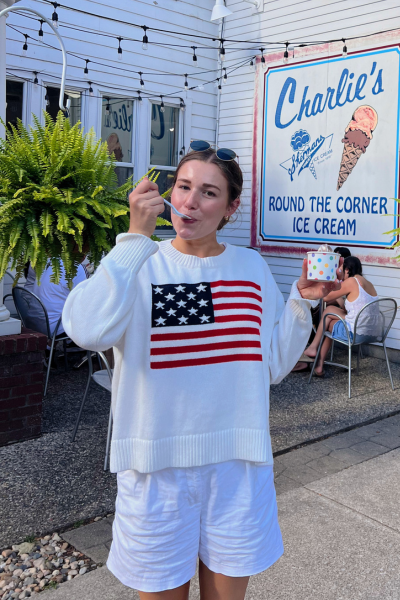
Alyssa
Manages: A peanut allergy
What 3 words would you use to describe how you manage your food allergies: Informed risk taking
How much would you say food allergies impacts your mental health?: Every day
What resources do you use to manage the mental aspects of living with food allergies?: Individual therapy changed my life! Also—Founding All Things Allergies and pursuing a career in clinical health psychology has helped me channel my food allergy anxiety towards something more positive and productive.
Describe what you had a reaction to and where it happened?: I had a cross-contamination reaction at an ice cream shop in high school.
What was your biggest struggle mentally immediately after the reaction occurred and how did you manage to overcome it?: Every time I ate something, I felt like I was having another allergic reaction. I struggled to tell the difference between anxiety and anaphylaxis. Is my throat scratchy, or is it just in my head? Is it truly hard to breathe right now, or am I just panicking? I was living in a constant state of fight-or-flight. I found myself over-sanitizing everything, worried that my allergen was everywhere. While all my friends were enjoying their senior year of high school, I felt afraid to even leave my house… I felt so isolated and alone. This went on for months before I finally sought professional support from a therapist. She gave me the language to help make sense of what I was experiencing—Post-traumatic stress disorder.
Has anything changed how you approach or manage your allergies since?: All Things Allergies is living proof of how my approach to allergy management has grown over time, and I am so proud of how far I have come. Here are some of the key tools that have helped me build resiliency:
1. Deep breathing — Your breath is your superpower!
2. Shifting my focus from what I CAN’T control, to what I CAN control.
3. Practicing self-advocacy — Speak up. Set boundaries. Say no. You deserve to feel safe!
4. I stopped suffering in silence and found the courage to share my story
What is the best advice you would give to someone who has had a reaction?: Think of an allergic reaction like a physical injury—you will need time to heal. Lean in to self-care. Take time to rest and recuperate. Be patient with yourself. Schedule an appointment with your therapist. Reach out to the food allergy community for support. And don’t forget to refill your epinephrine prescription!
Additional Resources: All Things Allergies: Food Allergy x Mental Health
Where to find Alyssa: @alyssabauder on Spokin, @allthingsallergies on Instagram, and @allthingsallergies on TikTok

Amanda
Manages: A peanut allergy
What 3 words would you use to describe how you manage your food allergies: Cautious, prepared, watchful
How much would you say food allergies impacts your mental health?: Frequently
What resources do you use to manage the mental aspects of living with food allergies?: I use social media to help manage the mental aspects of living with my food allergy. It is comforting to know that there are other people out there in similar situations as me and it is nice to have a community to talk to others about their experiences online. I started posting on my own TikTok to help spread awareness and create a safe space for those also suffering with food allergies.
Describe what you had a reaction to and where it happened?: I had an allergic reaction to peanut butter when my parents first gave it to me at the age of 3. I was at home sitting in my living room and suddenly my tongue started to itch.
What was your biggest struggle mentally immediately after the reaction occurred and how did you manage to overcome it?: Even though I was little, I still remember having the reaction in exact detail to this day. I think the biggest struggle was just worrying that it would happen again if I came into contact with peanuts. I’m still working on overcoming the worry in my everyday life. Being cautious, reading ingredients, and not eating foods that I’m not sure of help with the anxiety.
Has anything changed how you approach or manage your allergies since?: I learned how to take control of managing my allergies myself over the years. I am very cautious about what I eat and always check ingredients and oils used.
What is the best advice you would give to someone who has had a reaction?: I would say to not let it define you and to keep living your life. You can’t always be worried about having a reaction and let it stop you from living. Just take precautions and have a plan for what to do if there is an emergency.
Where to find Amanda: @amandajones03 on Spokin and @amandajones0603 on TikTok
Ava
Manages: Peanut, tree nut, dairy, egg, soy, fish, shellfish, sesame, and bean allergies
What 3 words would you use to describe how you manage your food allergies: Intentional, resilient, optimistic
How much would you say food allergies impacts your mental health?: Every day
What resources do you use to manage the mental aspects of living with food allergies?: Living with food allergies can definitely be hard at times, especially mentally, but I’ve found a lot of comfort in involving myself in the psychology and mental health community and really diving into anything that helps me learn, grow, or connect with others. Social media has been a huge resource for me, whether that’s connecting with people who understand what it’s like living with food allergies or finding inspiration from creators who share their own experiences.
I’ve also found that discovering new recipes and putting more creativity into what I eat helps me feel less restricted. It reminds me that even though it may take a little more time and effort, food can still feel exciting, rewarding, and fulfilling.
Describe what you had a reaction to and where it happened?: I had a very severe reaction to dairy at a Starbucks after specifically asking for it to be made dairy free. It was a really scary experience, but it taught me how important it is to advocate for myself and not completely put my safety in the hands of other people. Since then, I’ve become much more mindful, prepared, and proactive when it comes to managing my food allergies day to day.
What was your biggest struggle mentally immediately after the reaction occurred and how did you manage to overcome it?: One of my biggest struggles mentally after the reaction was learning how to trust food and feel safe eating again. After experiencing something that severe, it’s hard not to become anxious or hyperaware every time you eat. I had to slowly rebuild confidence by being more prepared, educating myself even more about my allergies, and focusing on what I could enjoy rather than living in constant fear.
Another difficult part was feeling like the experience was minimized by people around me. A lot of people hear “she used an EpiPen and was okay” without realizing how life-threatening and traumatic anaphylaxis actually is. It really changed my perspective and made me realize how important awareness and education around food allergies are.
Has anything changed how you approach or manage your allergies since?: Yes, a lot has changed in how I approach and manage my allergies since that experience. I’ve become much more intentional and cautious, especially when it comes to eating out. Personally, I don’t eat out much anymore because I don’t feel comfortable putting my safety in the hands of a barista, chef, or server.
It’s also made me more hyperaware in general and a lot more careful day to day. I’m always double checking ingredients, communicating clearly, and making sure I have my EpiPen with me at all times. It’s changed the way I move through food situations, but it’s also made me feel more empowered in taking my health seriously and advocating for myself.
What is the best advice you would give to someone who has had a reaction?: You’re not alone in this, and what you’re feeling is completely valid. After a reaction, it’s important to give yourself time and space to rebuild trust with food and your body again, because that process can take time. I would also say to become your own strongest advocate- always ask questions, double check ingredients, and don’t feel bad about speaking up for your safety. And most importantly, always be prepared and carry your EpiPen with you, because prioritizing your health is never something to compromise on.
Where to find Ava: @avabialon on Spokin and @avabialon on Instagram
Carlin
Manages: A peanut allergy
What 3 words would you use to describe how you manage your food allergies: Proactive, confident, balanced
How much would you say food allergies impacts your mental health?: Occasionally
What resources do you use to manage the mental aspects of living with food allergies?: Spokin was a game changer for me. When I took my first trip out of the country to Europe a few years ago, I was managing more food allergies (dairy, tree nuts, sesame and shrimp), and I was really nervous. Seeing the abundance of reviews in the countries I was visiting gave me the confidence that I would be okay and that I would be able to find safe options. I even found reviews in the tiny skiing town of Chamonix where we went for a day trip, and it empowered me to feel like I could find restaurants that could accommodate my allergies.
I also created my own social media page when I was in high school where I post recipes and restaurant finds, discover new brands, and connect with people who were like me and had multiple allergies. I grew up as the only person I knew with food allergies, so being able to others who “get it” has been life changing.
It’s also another reason I love the Spokin app! I can find restaurants that others with similar allergies have safely eaten at. I even have people who live in Boston that I follow because they’re always trying the restaurants that are on my list to try (shoutout @allergyamy and @catherinewalker)!
Describe what you had a reaction to and where it happened?: I was going through treatment last year for peanuts, and I tried a peanut butter pretzel as part of the ladder I was working through, and had a pretty severe reaction.
What was your biggest struggle mentally immediately after the reaction occurred and how did you manage to overcome it?: I felt so much less confident after that reaction. I place 0 blame on the program. I felt comfortable with the pace that we were moving at, and I had not had a reaction otherwise, but it made me feel less confident in my body, in how I was responding to treatment, etc. and it made me really second guess the program.
I took a lot of time to try to make sense of the reaction. I talked to my family and my friends and the program practitioner that I was working with about how I was feeling and what made sense going forward. Immediately after, I listened to my body and didn’t try to jump back right into my everyday activities and took it very very slow.
Has anything changed how you approach or manage your allergies since?: Not necessarily in the way that I manage—I am still extra careful, I still advocate for myself at restaurants, etc. but, I have since decided to stop treatment. I got to a place where I could eat a very small amount of peanut (enough that if there was some cross-contact, I would probably be okay) but I decided that the mental load of continuing treatment for my peanut allergy outweighed the benefits.
What is the best advice you would give to someone who has had a reaction?: Understand that recovering from a reaction physically and mentally are two different things. You can go back to being symptom free a day or two later, but the mental toll that having an allergic reaction can take on you should not be discredited. Firstly, be kind to yourself after the fact, but also, talk to your family and friends, eat familiar foods, partake in any other wellness practices that make you feel better (I love to walk, I love to do meditations on the Peloton app), talk to your allergist—anything you need to do to make yourself feel better.
Where to find Carlin: @carlinhanley on Spokin and @sweetlifeofcarlin on Instagram
Claudia
Manages: Peanut and tree nut allergies
What 3 words would you use to describe how you manage your food allergies: Mindful, empowered, communicative
How much would you say food allergies impacts your mental health?: Every day
What resources do you use to manage the mental aspects of living with food allergies?: Therapy, trusted friends/family who understand food allergies, and the food allergy community have all been really important resources for me. Supportive members of the food allergy community have also helped me feel less alone and more understood by people navigating similar experiences.
Another big “resource” for me has honestly been giving myself permission to take baby steps after difficult experiences — returning to places I trusted, taking the same precautions I always had, and rebuilding confidence over time instead of forcing myself into situations before I felt ready. Then over time, I prove to myself and others, I am capable and better informed than I previously was. Therefore, I am more equipped for the next big adventure!
Describe what you had a reaction to and where it happened?: I was on a cruise, and there was cross-contamination with peanut oil.
What was your biggest struggle mentally immediately after the reaction occurred and how did you manage to overcome it?: One of the hardest parts after experiencing an allergic reaction was learning how to discern what environments and foods felt safe again. Rebuilding trust in restaurants, travel, or even everyday situations took time, and my personal comfort level and risk assessment evolved gradually through experience, preparation, and confidence-building.
Another challenge was navigating expectations with family and loved ones. Their caution always came from a place of love and wanting to protect me, but at times my own comfort level and approach to risk evolved differently than theirs. Learning how to communicate those differences with empathy — while still honoring everyone’s desire for safety — became an important part of managing the emotional side of living with food allergies.
Has anything changed how you approach or manage your allergies since?: Over time, I’ve become much more proactive, communicative, and empowered in how I handle my food allergies. I am more comfortable speaking up when something feels off or unsafe, asking questions, and advocating for myself in situations that require extra caution.
I also rely much more on the food allergy community for support than I did growing up. Having access to online communities, social media, advocacy organizations, and others navigating similar experiences has made managing the emotional and practical aspects of food allergies feel far less isolating.
What is the best advice you would give to someone who has had a reaction?: My biggest advice would be to take baby steps and give yourself grace. Healing after an allergic reaction is not linear, and it is okay if rebuilding trust in food, restaurants, or certain environments takes time. Speak to someone if you are struggling, whether that is a therapist, trusted loved one, or someone in the food allergy community, and remember to hold onto hope. Confidence and joy can return, even if it happens slowly.
Additional Resources:
I share on my @allergyadvocatemph page! More resources to come in the future!
Where to find Claudia: @alladvocatemph on Spokin and @allergyadvocatemph on Instagram

Emma
Manages: Peanut and tree nut allergies
What 3 words would you use to describe how you manage your food allergies: Prepared, vigilant, and cautious
How much would you say food allergies impacts your mental health?: Occasionally
What resources do you use to manage the mental aspects of living with food allergies?: I have seen a food allergy therapist and did some Eye Movement Desensitization and Reprocessing sessions and benefited greatly from it! I was able to cut out a lot of my safety behaviors and trust myself. When I am feeling anxious after eating out at a new restaurant and get in my own head that there is something wrong, it is best for me to vocalize it. This helps the people around me reassure me that there is no visual symptoms and helps start to bring my anxiety back down.
Describe what you had a reaction to and where it happened?: I had my first reaction as a kid at my grandma’s house when I grabbed a dessert. It had walnuts in it and I was unaware.
What was your biggest struggle mentally immediately after the reaction occurred and how did you manage to overcome it?: Since I was a kid and had the reaction, I developed a ton of safety behaviors. After going to therapy, I worked through changing these behaviors as something that I had to do to keep myself safe, to thinking of it in a more logical way. I used the real life data and retaught my brain that these behaviors were not necessary.
Has anything changed how you approach or manage your allergies since?: Since my reactions as a kid, I have always been extremely cautious about what I am ingesting. Currently, I feel more prepared for my action plan and confidence to use Epi if needed! The shock of having my reactions as a kid and not being prepared was something I learned I needed to fix.
What is the best advice you would give to someone who has had a reaction?: There are ways to be cautious and safe without completely sheltering yourself from food or events in the future! Take the time you need to mentally recover, but after push yourself to do the things you know are safe.
Where to find Emma: @emmad28 on Spokin and @emmaneedsanepipen on Instagram
Izzy
Manages: Tree nut and sesame allergies
What 3 words would you use to describe how you manage your food allergies: I’m careful, smart, and I plan ahead!
How much would you say food allergies impacts your mental health?: Occasionally
What resources do you use to manage the mental aspects of living with food allergies?: I always go to Spokin!
Describe what you had a reaction to and where it happened?: I was in an ice cream shop in college. I went to once a week had eaten it for over a year, never had an issue, and I took one bite and immediately my throat closed.
What was your biggest struggle mentally immediately after the reaction occurred and how did you manage to overcome it?: It was very challenging trusting the restaurants I had been going to because I had been to this ice cream shop a lot of times. I honestly stopped going to ice cream places at all and we just got frozen yogurt or supermarket ice cream where there was a label.
Has anything changed how you approach or manage your allergies since?: I would definitely say I’m much more careful. I also think I advocate for myself a lot more now.
What is the best advice you would give to someone who has had a reaction?: My best advice is take it day-by-day and know it’s not your fault and don’t be too hard on yourself. Living with food allergies can be unpredictable sometimes and it’s important to not blame yourself. I know I did for a little while after and I think it’s important to just move forward and just continue being careful and smart with your decisions.
Where to find Izzy: @izzytri12 on Spokin and @izzytrinin on Instagram

Jenna
Manages: A dairy allergy
What 3 words would you use to describe how you manage your food allergies: Self-starter, research, advocacy
How much would you say food allergies impacts your mental health?: Frequently
What resources do you use to manage the mental aspects of living with food allergies?: Individual therapy, my virtual monthly drop-in food allergy adult support group that I facilitate, Academy of Food Allergy Counseling for Food Allergy Therapist Directory and free mental health resources: @foodallergycounselor on Instagram, The Food Allergy Brain podcast with Mia Silverman, Dare: Panic and Anxiety Relief app
Describe what you had a reaction to and where it happened?: I was at a restaurant and was promised a safe dish, and was given a salad and plain pasta but started to have a reaction after a couple bites of the pasta. It was later shared with me that the kitchen had forgotten about my allergy and they have sprinkled Parmesan on my dish and then scraped it off.
What was your biggest struggle mentally immediately after the reaction occurred and how did you manage to overcome it?: I struggled to go out to eat again and feel safe around food. I ended up started therapy because I was isolating myself at the time and struggling a lot mentally. My therapist helped me feel less alone, process what had happened, and also go back to basics—emphasizing the importance of creating a routine and consistency. Over time, I felt safe enough to challenge my anxiety and eventually I was able to eat out again.
Has anything changed how you approach or manage your allergies since?: Funny enough, I’m no longer scared to use an epinephrine auto-injector. I feel a lot more confident in my ability to take action and handle a reaction because I had that experience and it was my first reaction in years, so part of the overwhelm was not knowing what to do at the time and feeling scared to take action. Now, I know my emergency action plan and am not afraid to use it.
What is the best advice you would give to someone who has had a reaction?: Give yourself time. Your brain and body just went through something scary. It is okay if it takes you some time to feel “back to normal” again. My best advice is to try and take the pressure off yourself to be perfectly fine and accept that you might feel a little uneasy in certain situations after having an experience like this and that’s okay. Over time, you will get back there, but in the meantime, it’s so important to focus on creating a sense of routine, seeking support and sharing with others how you are feeling, and sticking with the things that do make you feel safe and calm. If you need to go back to basics and not eat out for a minute, that is okay. It takes time for your brain and body to feel safe again
Additional Resources: I am a therapist that specializes in food allergies. I have an Instagram account dedicated to sharing resources and awareness of the mental health impact of food allergies @thefoodallergytherapist. I also run a drop-in monthly support group for adults with food allergies and a drop-in monthly support group for parents of children with allergies.
Where to find Jenna: @jennatso on Spokin, @thefoodallergytherapist on Instagram, and @foodallergytherapist on TikTok
Jenna
Manages: Celiac and MCAS
What 3 words would you use to describe how you manage your food allergies: Creativity, awareness, preparation
How much would you say food allergies impacts your mental health?: Every day
What resources do you use to manage the mental aspects of living with food allergies?: I surround myself with people who are there for me whether they completely understand what I’m going through or not. Seeing a therapist has been incredibly helpful to work through difficult experiences and prepare for what might happen in the future. I also meditate and do various other mindfulness practices on a daily basis.
Describe what you had a reaction to and where it happened?: I was at school and bought a container of grapes from one of the on campus cafes. I had a reaction to them, not fully knowing if it was the grapes themselves or something they came in contact with.
What was your biggest struggle mentally immediately after the reaction occurred and how did you manage to overcome it?: The biggest struggle for me is often the uncertainty and confusion. I have no concrete story and explanation for what happened which is not only unsettling in the moment but makes it even more challenging to prevent in the future.
Has anything changed how you approach or manage your allergies since?: Being able to have a more balanced baseline state between anxiety and awareness. Instead of constantly feeling on edge and anxious about all the things I could react to, I remain aware of what I do know, and aware of what’s happening if something does happen, but not letting it consume me and my life.
What is the best advice you would give to someone who has had a reaction?: The best thing you can do for yourself is be prepared and trust that you have all the tools you need if something does happen. Beyond that, there are many things that are out of your control, so the best thing you can do for yourself is to enjoy your life.
Additional Resources: I created a coloring book about life with food allergies and mast cell conditions. You can find it here.
Where to find Jenna: @jennaxhealth on Spokin, @jennaxhealth on Instagram and @jennaxhealth on TikTok
Kathleen
Manages: Peanut, tree nut, dairy, shellfish, and sesame allergies
What 3 words would you use to describe how you manage your food allergies: Prepared, resilient, mindful
How much would you say food allergies impacts your mental health?: Frequently
What resources do you use to manage the mental aspects of living with food allergies?: Everyday I try to find joy in cooking and eating. I have found that looking for recipes and adapting them so that I can enjoy them, makes me feel empowered. I search Pinterest, Instagram, TikTok, and cookbooks. I also find great support and inspiration in the online allergy community- especially Instagram. It has been greatly impactful to see that I am not alone. There are many people thriving with food allergies.
Describe what you had a reaction to and where it happened?: I was at my doctor’s office doing a monitored oral peanut trial. It quickly got out of hand and I went into anaphylaxis.
What was your biggest struggle mentally immediately after the reaction occurred and how did you manage to overcome it?: My biggest struggle was to overcome the trauma of what happened. I felt disappointed, terrified, angry, sad, frustrated, and exhausted. My body was weak for days and I struggled to stay positive. It felt like a huge setback and made me feel isolated.
Has anything changed how you approach or manage your allergies since?: I decided that I am in control-not the fear. I took it day by day-minute by minute. I focused on HEALING and RECOVERY. I treated my body kindly. I made sure to do nice things for myself, eat safe comfort food, and watch funny shows. It was also important to not resent my food allergies (which I have done in the past). That does not help anything. However, it wasn’t realistic to ignore what happened or quickly move on. I needed to go through it-take the time by body and mind needed to process.
What is the best advice you would give to someone who has had a reaction?: Take the time needed to recover your mind and body. Ignore other opinions on how you should recover. You are the one who knows how to feel and move forward. It’s your timeline.
Additional Resources: I made a post on my Instagram of steps and tips on how to recover from an allergic reaction. It is what you need to hear when in recovery.
Where to find Kathleen: @kdougherty on Spokin and @lifeinthefineprint on Instagram
Kelsey
Manages: Celiac and peanut, tree nut, dairy, wheat, soy and shellfish allergies
What 3 words would you use to describe how you manage your food allergies: Positive, consistent, routine
How much would you say food allergies impacts your mental health?: Occasionally
What resources do you use to manage the mental aspects of living with food allergies?: The social media and Spokin communities!
Describe what you had a reaction to and where it happened?: I was at a restaurant for breakfast and ordered coffee with oat milk on the side but they brought dairy milk instead. I confirmed it was oat milk when it was delivered, but when I took my first sip something smelled off so I put it down and checked again.
What was your biggest struggle mentally immediately after the reaction occurred and how did you manage to overcome it?: It made me cautious to trust the restaurant again. It also made me proud that I trusted myself, my gut and my sense of smell to keep me safe moving forward.
Has anything changed how you approach or manage your allergies since?: Nothing has changed. This was a reminder that my system works and to trust my gut.
What is the best advice you would give to someone who has had a reaction?: It was not your fault. You can only do your best, trust yourself and do better next time.
Where to find Kelsey: @allergytravelr on Spokin and @allergytravelr on Instagram
Lauren
Manages: Peanut, tree nut, dairy, and shellfish allergies
What 3 words would you use to describe how you manage your food allergies: Confidence, Swiftly, Attentive
How much would you say food allergies impacts your mental health?: Every day
What resources do you use to manage the mental aspects of living with food allergies?: My support system consists of my hubby and family. My family started my food allergy adventure alongside me, and I will be eternally grateful for their unwavering support. My husband has been an excellent champion and student of my food allergies. He is sometimes better at safeguarding my safety when we go out to eat. He has been wonderful from the moment I informed him about my food allergies.
Describe what you had a reaction to and where it happened?: My initial reaction started with Indian food, and there were Peanuts in the meal. I used to love Indian food and Peanuts. It happened when I was over an ex-house. We ordered the food like normal, and then all of a sudden, my tongue started swelling up. That’s when I knew it was an allergic reaction coming on. Luckily for me, my mother has had food allergies my entire life; mine just happened to make its grand entrance later in life.
What was your biggest struggle mentally immediately after the reaction occurred and how did you manage to overcome it?: My biggest issue was realizing it wasn’t only peanuts until I tried something else. I belong to the group of people whose blood is tested, but the results do not show. Another wonderful attribute that my mother, sister, and I all have. It was quite difficult to overcome at first. I was dealing with other health difficulties at the time, so it was simply another item on the list that triggered a variety of feelings.
Has anything changed how you approach or manage your allergies since?: I carry my EpiPen with me everywhere I go. Even to public restrooms. I have EpiPen in every part of my house, visible and known to all. It’s like a giant welcoming sign for guests.
What is the best advice you would give to someone who has had a reaction?: DO NOT PANIC. DO NOT WAIT TO SEE IF THE REACTION WORSENS. BE LOUD ABOUT YOUR FOOD ALLERGIES WHEN YOU ARE OUT IN PUBLIC. I know it’s hard to do, but getting your blood pressure up will only put your body at a high risk and make the reaction worsen. Carry your EpiPen. Bring your own food when going to others’ homes and restaurants to start. Read ingredient lists like it’s your favorite novel. Go to an Allergist, you have plenty of options nowadays.
Additional Resources: I plan to create a website with resources for anyone who has food allergies and developed them later in life.
Where to find Amanda: @laurenfoodie on Spokin, @we.can.eat.too on Instagram, and @we.can.eat on TikTok

Maya
Manages: Peanut, tree nut, dairy, egg and chickpea allergies
What 3 words would you use to describe how you manage your food allergies: Prepared, hypervigilant, adaptive
How much would you say food allergies impacts your mental health?: Frequently
What resources do you use to manage the mental aspects of living with food allergies?: Honestly a mix of things. I’ve done therapy specifically for food allergies which was huge, just having someone who actually gets the anxiety around it. I create content online about living with food allergies and my lifestyle and that has been a creative and therapeutic outlet for me! I am finding a community of people who relate to me and it has been more helpful than I expected. I also lean on my family a lot, regular check ins with my allergist, and I stay updated through Food Allergy Research & Education (FARE). For the mental and emotional side I use meditation through the Peloton app and Calm, and exercise in general is probably my biggest outlet, it resets everything for me. When traveling or finding restaurants, I’ll also cross reference apps, online resources, sometimes even AI when I’m trying to figure something out fast.
Describe what you had a reaction to and where it happened?: It happened at a local Mexican restaurant my senior year of college, just weeks before graduation. I ordered a vegan menu item specifically because it seemed safe, asked about ingredients, it was a busy Saturday night and the waitress forgot to mention the tortilla had cheese in it. One bite and I knew. It was a dairy reaction and it escalated fast. That night I actually used my EpiPen for the first time ever, and I administered it myself.
What was your biggest struggle mentally immediately after the reaction occurred and how did you manage to overcome it?: Even when you do everything right and prepare, accidents still happen! I had looked at the menu, I had ordered something that should have been safe, and it still went wrong. That’s the mentally draining part of living with severe allergies: the risk never fully goes away no matter how prepared you are. The restaurant admitted their mistake and was very apologetic, but that didn’t take away the physical reaction I was already having or the mental exhaustion that comes with it. What got me through it was the people around me. I was with friends that night and leaning on them, plus my family. This reminded me that I don’t have to face this alone. Feeling supported makes all the difference.
Has anything changed how you approach or manage your allergies since?: It actually pushed me to stop staying silent about my allergies altogether. My whole life I have been quiet about my struggles and felt like an inconvenience. But, I took my story and started sharing it, along with other allergy experiences, on social media. I posted about what I carry in my bag every day, my EpiPen, allergy tablets, all of it, just to raise awareness and finally give myself permission to talk openly about something I had been carrying quietly for years. My preparedness and vigilance has stayed the same because I have always been responsible about my allergies. But the difference is that I am beginning to share my story and find a community!
What is the best advice you would give to someone who has had a reaction?: Always be prepared no matter where you are. I keep multiple forms of emergency medicine on me at all times, my EpiPen, allergy tablets, they go everywhere with me. And just as important, explain to your friends and family what you’re dealing with so they actually know how to support you day to day. You don’t have to do it all on your own!
Additional Resources: My TikTok page where I share my allergy experiences, what I carry day to day, and try to build some real community around this. I’m also currently working on a series of short essays and guides for people with allergies so stay tuned for that!
Where to find Maya: @mayajain234 on Spokin, @itsmaya234 on Instagram, and @mayajain234 on TikTok

Mo
Manages: Peanut, tree nut, and pink peppercorn allergies
What 3 words would you use to describe how you manage your food allergies: Confident, cautious, prepared
How much would you say food allergies impacts your mental health?: Frequently
What resources do you use to manage the mental aspects of living with food allergies?: I am actually a therapist in therapy, which is immensely helpful for managing the anxiety from my food allergies (and eczema, and asthma…). I go to a restorative yoga class weekly to ground myself, be present, and get out of my head. I love the Spokin app and am very thankful to have it for planning days out with friends, keeping track of places I’ve been (with food allergies I have many spots I return to because they either know my allergies or I feel safe dining there!), and also planning my many travels/trips.
Describe what you had a reaction to and where it happened?: I was at a restaurant and had several sips of a new cocktail which led to a reaction; I found out that the rim was lined with a mix of salt and pink peppercorn. My husband quickly Googled and figured out that I was reacting to the pink peppercorn, which can happen for people with certain nut allergies. For those who aren’t familiar, it is called cross-reactivity!
What was your biggest struggle mentally immediately after the reaction occurred and how did you manage to overcome it?: I was terrified of going out to eat for a bit- I was really worried I would react to new foods/spices that I didn’t know I should be avoiding. I started slow by going to places I trusted the most and was most familiar with, and then branched out from there.
Has anything changed how you approach or manage your allergies since?: I have started researching and compiling a list of foods/spices where cross-reactivity is a concern, and keeping that list on my phone for easy reference. Before I had that allergic reaction I had NO IDEA what cross reactivity was, and now I educate people about the topic when I dine out as well.
What is the best advice you would give to someone who has had a reaction?: Take time to process what happened, speak with your allergist/specialist, but get back out there when you’re able by starting small.
Where to find Mo: @nutfreeinnyc on Spokin and @nutfreeinnyc on Instagram
Natalie
Manages: Peanut and tree nut allergies
What 3 words would you use to describe how you manage your food allergies: Responsibly, individually, and comfortably
How much would you say food allergies impacts your mental health?: Occasionally
What resources do you use to manage the mental aspects of living with food allergies?: I use my family and Spokin! I’m usually very reflective and process a lot of my mental health/emotions so I do not use specific tools beyond my friends and family.
Describe what you had a reaction to and where it happened?: I have had many small reactions. For example, in the first example, I was intoxicated. In the second, I was in Italy and had asked the waiter more than once about nuts, and he said it was okay even though it wasn’t. In seventh grade, I had my first big allergic reaction. It was my first time going to the hospital because of one. I had taken a bite out of an oatmeal cookie that had walnuts in it. It was extremely scary, although I was able to be calm and administer my EpiPen for myself.
What was your biggest struggle mentally immediately after the reaction occurred and how did you manage to overcome it?: While I was lying in a hospital bed during my first allergic reaction, I had a life-changing moment. I realized I never wanted to die and leave any of the people I care about with anything negative to say about me. A little dramatic and idealistic, but I was 12! Cut this girl some slack. Regardless, it completely shifted the way I live my life. I live very positively, knowing that because of my allergy, a simple accident could bring me closer to death than I’ll ever be ready for. Since then, I’ve had some issues with my mental health and food allergies. Mostly in terms of coping with the fact that there are some foods I’ll never try, or being on the outs of doing things with friends when trying to find food to eat, or being much more cautious when in new places or places with lots of nuts (like baseball parks for example). I have greatly overcame each of these aspects by focusing on the good.
Has anything changed how you approach or manage your allergies since?: Absolutely! I am extra sure to check ingredient labels, clarify with servers, chefs, and baristas, and am much more comfortable giving myself the EpiPen. I know nothing bad can happen if I take it, but not taking it could be detrimental.
What is the best advice you would give to someone who has had a reaction?: Do not let it stop you from living life to the fullest. Be as smart and safe as you can, but always remember your life is meant to be lived. Carry your EpiPen with you everywhere, and do not be afraid to use it. Your life is worth protecting.
Where to find Natalie: @natalie on Spokin

Olivia
Manages: Tree nut, dairy, egg, and soy allergies
What 3 words would you use to describe how you manage your food allergies: Preparation, anticipation, inclusivity
How much would you say food allergies impacts your mental health?: Frequently
What resources do you use to manage the mental aspects of living with food allergies?: Friends and family
Describe what you had a reaction to and where it happened?: I was at a wedding and the sous chef accidentally put the wrong sauce on my plate without the head chef knowing, and it had milk in it, I used my EpiPen in the bathroom and was taken by ambulance to the hospital.
What was your biggest struggle mentally immediately after the reaction occurred and how did you manage to overcome it?: The fact that I realized I couldn’t trust outside venues at large events, and mourning this for future weddings, work dinners, etc. With support from friends and family, I found comfort in their genuine attempts to include me and make it easier for me to enjoy social events with my own safe food. To be with them was more important than to risk an allergic reaction.
Has anything changed how you approach or manage your allergies since?: I bring my own food to weddings!
What is the best advice you would give to someone who has had a reaction?: Talk to people about how you are feeling. I know it feels like nobody could understand how it is like to live in constant vigilance. Let your friends and family hear your cries and support you in any way they can by accommodating you in different ways, speaking up for you, praying for you, etc!
Where to find Olivia: @livwong on Spokin, @liv.ingwithallergies on Instagram, and @liv.ingwithallergies on TikTok
Sarah
Manages: Peanut, tree nut, soy, sesame, shellfish, mustard, legume, and fruit allergies
What 3 words would you use to describe how you manage your food allergies: Intentional, prepared, resilient
How much would you say food allergies impacts your mental health?: Every day
What resources do you use to manage the mental aspects of living with food allergies?: I’ve used therapy before, especially after navigating anaphylactic reactions and trying to rebuild trust around food and eating again. When traveling, I find great comfort in seeing reviews on the Spokin app and picking restaurants based on other vigilant food allergic individuals who have had safe meals or good experiences. Day to day, I mostly lean on my support system—family, friends, and people who understand the mental load that comes with food allergies. Having people I trust makes a huge difference.
Describe what you had a reaction to and where it happened?: I once went to a restaurant, asked all my usual allergy questions, and was told the french fries were safe. I ended up having an anaphylactic reaction, and later found out the kitchen staff would fry Snickers bars in the same oil as the fries after hours.
What was your biggest struggle mentally immediately after the reaction occurred and how did you manage to overcome it?: My biggest struggle after the reaction was trust. I had done everything “right”—asked questions, communicated clearly, tried to be careful—and still had a severe reaction. For a while, it made eating anywhere outside of my home feel terrifying and unpredictable. Over time, I had to slowly rebuild trust in myself and others, in my ability to advocate for my allergies, and in the fact that one traumatic experience couldn’t completely control my life forever.
Has anything changed how you approach or manage your allergies since?: It definitely made me more cautious and honestly more aware of how many things can slip through the cracks even when you do everything “right.” I still try not to live in fear, but I ask more follow-up questions now, trust my instincts more, and have become a lot more comfortable advocating for myself even if it feels awkward.
What is the best advice you would give to someone who has had a reaction?: Give yourself time and grace. I think people underestimate how mentally exhausting and scary reactions can be, especially after a severe one. It’s okay if rebuilding trust around food takes time. Being anxious afterward doesn’t make you dramatic — it’s a very real response to something genuinely scary. Lean on people you trust and take things one step at a time.
Where to find Sarah: @girlbehindhive on Spokin and @girlbehindthehive on Instagram

Taylor
Manages: Peanut, tree nut, fish, shellfish, and sesame allergies
What 3 words would you use to describe how you manage your food allergies: Cautious, observant, consistent
How much would you say food allergies impacts your mental health?: Every day
What resources do you use to manage the mental aspects of living with food allergies?: One of the biggest resources for managing my mental health with food allergies is feeling prepared. I rely a lot on online food allergy communities and allergy friendly apps because they help me easily navigate safe places to eat at! One of my favorite accounts is @girlbehindthehive because her content is super relatable and makes me feel understood. Having family and friends around me who take my allergies seriously makes a big difference as well.
Describe what you had a reaction to and where it happened?: I was at home with my mom, and we were sharing a bowl of blueberries. She had eaten cashews earlier, and there was still cashew residue on her hands, which caused me to have an allergic reaction.
What was your biggest struggle mentally immediately after the reaction occurred and how did you manage to overcome it?: One of my biggest struggles mentally after the allergic reaction was realizing that I couldn’t always trust foods because of cross-contact, even if they didn’t contain my food allergy. I overcame this struggle by learning how to keep myself safe and speak up for myself by asking people not to cross-contaminate foods during events.
Has anything changed how you approach or manage your allergies since?: Yes! I’ve become really strict about reading every ingredient label, avoiding foods without labels at events, and carrying my EpiPen everywhere, even when I don’t plan on eating anything.
What is the best advice you would give to someone who has had a reaction?: The best advice I would give to someone who has had a reaction is to not blame themselves for it, and instead use the reaction as a learning experience! It’s a reminder to stay alert with food allergies and never let your guard down.
Where to find Taylor: @safetay on Spokin and @collegeceliackc on Instagram
Zoë
Manages: A peanut allergy
What 3 words would you use to describe how you manage your food allergies: Careful, calm, prepared
How much would you say food allergies impacts your mental health?: Frequently
What resources do you use to manage the mental aspects of living with food allergies?: Therapy, support groups, insight timer app, calm app, breathing techniques, somatic exercises
Describe what you had a reaction to and where it happened?: At a restaurant that didn’t use my allergen, but we deduced it must’ve been from cross-contact at the facility the individual ingredients came from or while being prepped by staff the day before.
What was your biggest struggle mentally immediately after the reaction occurred and how did you manage to overcome it?: Worrying about eating out again, especially since I went to a chain restaurant with a set menu that is very allergen transparent. I also had side effects from the steroid shot that impacted my mood, and just overall was extra hyper vigilant directly after. I did schedule a personal therapy session after it occurred, and journaled when my mind was racing. Being able to talk to supportive friends and family helped, too.
Has anything changed how you approach or manage your allergies since?: Not in terms of how I eat out, since I did everything I could in the moment and was a fluke/stroke of bad luck. The reaction reminded me that allergic reactions can happen anytime and anyplace, and so not to live in fear and how staying prepared and brave enough to overcome fear in the moment to administer epinephrine is key. I remember immediately feeling some relief after using my epinephrine.
What is the best advice you would give to someone who has had a reaction?: Be easy and gentle on yourself. We can often be our own worst critic and so I would say to be careful with your inner dialogue and speak to yourself how you’d talk to your best friend. Let yourself feel the feelings.
Additional Resources: Yes, in fact, so many resources I wanted to share that I wrote a food allergy nonfiction! I’ve gotten such great feedback from others in the space saying how “seen” they feel after reading it, which makes me so happy, that’s the whole reason I wrote it! To make others feel less alone, and to educate others who want to learn more about the experience. It was written to be interesting for everyone, food allergies or not.
Where to find Zoë: @zoeslaughter on Spokin and @invisiblyallergic on Instagram

Abby
Manages: Peanut, tree nut, egg, fish, shellfish, sesame, fruit, and vegetable allergies
What 3 words would you use to describe how you manage your food allergies: Aware, Proactive, Cautious
How much would you say food allergies impacts your mental health?: Frequently
What resources do you use to manage the mental aspects of living with food allergies?: Posting on TikTok allowed me to connect with other people that also struggle with food allergies. I started a series where I checked the weekly Crumbl cookie flavors every Monday. Similar people who also have tree nut and peanut allergies related to those videos and it soon became a staple on my page. I’ve also posted food videos like packing my lunch for work or classes. It demonstrates the reality of food allergies, and having to plan ahead for social gatherings. I have also utilized an app called Olive, which allows me to put in my allergies and scans food labels to determine if they contain any allergens. Similarly, I’ve used the Spokin app a handful of times to check restaurants. It helped relieve the stress of going to an unfamiliar restaurant.
Describe what you had a reaction to and where it happened?: I ate some edible cookie dough from the mall food court during my break at work. The lady helping me forgot to change her gloves after she had just grabbed peanut butter cookie dough for the customer before me. My throat started getting itchy and I had shortness of breath.
What was your biggest struggle mentally immediately after the reaction occurred and how did you manage to overcome it?: I was the manager on duty when I started reacting, so I was stressed and anxious about continuing to work during the reaction. I was out of Benadryl so I sent my associate around the mall to try to find allergy medicine. She found Benadryl, and I was able to complete the rest of my shift without having to close early.
Has anything changed how you approach or manage your allergies since?: I saw that she didn’t change her gloves before helping me, but was hesitant to say something because she was already making accommodations for me by using a brand new scooper. Now, I am more confident and forward about my food allergies because I shouldn’t feel ashamed or anxious about places having to make accommodations for me.
What is the best advice you would give to someone who has had a reaction?: It is important to stay calm during situations because your body is already undergoing enough stress. Additionally, I would encourage you to tell someone around you that you are having symptoms. If symptoms worsen, you have someone watching out for you and aware of your health and wellbeing.
Where to find Abby: @abbyguolla on Spokin, @abby.guolla on Instagram, and @abbygoospam on TikTok
Brooke
Manages: Tree nut and dairy allergies
What 3 words would you use to describe how you manage your food allergies: Vigilance, Adaptability, Mindfulness
How much would you say food allergies impacts your mental health?: Every day
What resources do you use to manage the mental aspects of living with food allergies?: Therapy (Group, Individual, Food Allergy Specific), Meditation, Spokin App/Community, FAACT / FARE / The Allergy Chef email newsletters, Social accounts I love: @redsneakersforoakley, @equal_eats, @sarahandspices, @nutfreenewyorker, @girlbehindthehive, @maycontain, @behindtheallergy, @allthingsallergies, @liv.ingwithfoodallergies, @allergygirl, @allergieswithmia
Describe what you had a reaction to and where it happened?: I was in college, in my sorority house kitchen — a semi-public place that was usually pretty populated given how many girls lived there. Because we would get lunch and dinner provided to us through our meal plan, breakfast and snacks we were for us to navigate on our own. A casual midday snack turned into a disaster when I ate peanut butter (a safe nut for me) that came in an individual single serve Costco/Kirkland pack. I assumed it was safe since peanut butter typically has few ingredients and I’ve eaten it many times. The problem: no allergy labels were printed on the individual package(s) for me to read and the original box was locked in the back kitchen (closed for the weekend). So, I took a risk. Turns out the peanut butter was cross-contaminated and I required an EpiPen after waiting hours to see relief from Benadryl… I know, dangerous waiting that long to administer Epi.
What was your biggest struggle mentally immediately after the reaction occurred and how did you manage to overcome it?: In the moment, I was struggling to decipher if I was having an allergic reaction, a panic attack, or both. I had so many fears running through my head thinking about the possibility of needing to go to the ER and figuring out if again, this was a serious enough reaction to warrant an ER visit/use of an EpiPen.
I had one of those long, multi-hour reactions that got progressively worse over time so my anxiety was at an all-time high, compounding on itself, adding to my symptoms.
So often my solution was to take 2 Benadryl and avoid the ER, but that wasn’t working in this instance. Making the executive decision to go to the hospital and be taken care of by professionals eased my fears. Same with the fact that I had friends willing to drive me to the hospital and stay with me after the Epi was administered.
I had a really hard time feeling normal after that scary event and even returned to the hospital the next day for a 2nd dose of Epi due lingering symptoms.
This is all to say that my greatest struggle in the days to weeks following that reaction was dealing with a large sense mistrust. I mistrusted myself for succumbing to an assumption (around the peanut butter’s safety) that could’ve been deadly… and I mistrusted those cooking for me in my sorority house — providing food that was often out of my control.
I eventually overcame this by turning to meditation and reframing my mindset. I decided that I’d see this reaction as a learning experience about avoiding risk altogether. If I wasn’t sure about a food item (even if it seemed fine), I’d avoid/have a backup plan. I also found myself over-communicating with others to double and TRIPLE check that things were safe for me to eat before actually eating. Every product, ingredient, sauce, etc.
The more I avoided risk/trusted my gut regarding food safety AND the more I advocated for myself, that’s when I was able to overcome the mental hurdle of this reaction.
Has anything changed how you approach or manage your allergies since?: If we’re being honest I’d say I’m still afraid to administer Epi and go to an ER as I STILL struggle to decipher between a manageable allergic reaction or a serious one.
I’ve kept the approach of over-communicating with others who are cooking for me, but do find I take occasional risk when it comes to ordering in/going out to dinner.
The biggest (positive) change since that college reaction has been my ability to ground myself/ work through debilitating food-related panic. Not everyday is perfect, but the having skill set to de-escalate how my panicked feelings has been a game changer.
What is the best advice you would give to someone who has had a reaction?: Stay calm, act fast, have a plan in-place so your friends/family know where to locate your emergency medication. Also know that no matter how persistent you are about your food allergies to a server, mistakes can happen in any kitchen. So don’t blame yourself for a reaction or being glutened.
Where to find Brooke: @lilredwarrior on Spokin, @lilredwarrior on Instagram, and @thelilredwarrior on TikTok
Amanda
Manages: Peanut, tree nut, milk, soy, and legume allergies
What 3 words would you use to describe how you manage your food allergies: Efficiently, diligently, and with love
How much would you say food allergies impacts your mental health?: Frequently
What resources do you use to manage the mental aspects of living with food allergies?: Social media community and a few close friends who also have food allergies
Describe what you had a reaction to and where it happened?: One of my most challenging reactions was about 10 years ago, one morning while I was getting ready for work. I ate some flatbread from a brand that I bought all the time. I didn’t know it had casein in it, as it was not labelled. There was either cross-contact at the manufacturing facility, or they changed the ingredients and did not update the label. After a few bites, symptoms started and very quickly progressed. My older brother, who I was living with at the time, took me to the hospital. Thankfully we were living very close to an area called “hospital row” in Toronto. I asked him to use my Epi Pen on me in the cab. He was nervous, but I was unable to operate it myself as my hands were swollen. The cab was about 100 m away from the entrance of the hospital but I felt such a sense of urgency that I tossed a bunch of money over the seat and got out of the cab to speed walk the rest of the way (probably not a great decision). I flew into emergency triage and they quickly brought me into a room and began administering medication through an IV. I was in there all day, visited by my parents and boyfriend. It was one of my scariest reactions.
What was your biggest struggle mentally immediately after the reaction occurred and how did you manage to overcome it?: I felt distrust towards myself because I had felt I had let myself down by choosing to eat an unsafe product. I felt distrust towards anything from a package, especially breads.
Has anything changed how you approach or manage your allergies since?: I became even more diligent and choosy about which brands of packaged foods I consume, and that continues to this day. That reaction did flip a switch in me in a negative way, and exacerbated my existing disordered eating habits which then took years to heal from.
What is the best advice you would give to someone who has had a reaction?: Be gentle with yourself, look at the information, figure out a way to problem solve or course correct for the future, do not let yourself sit idle with big feelings – find an outlet or a person to share them with.
Where to find Brooke: @amandaorlando on Spokin and @EverydayAllergenFree on Instagram

Cassie
Manages: Peanut, tree nut, fish, shellfish, and strawberry allergies
What 3 words would you use to describe how you manage your food allergies: Confidence, Awareness, Strength
How much would you say food allergies impacts your mental health?: Frequently
What resources do you use to manage the mental aspects of living with food allergies?: Therapy, allergy psychologist, FARE support allergy groups and pages, @sarahandspices, @jennaxhealth, @allergieswithmia
Describe what you had a reaction to and where it happened?: I was at a shopping mall with friends, I took a bite of my meal from the food court and was cross contaminated with a peanut. This led to 7 doses of EPI and an intubated coma.
What was your biggest struggle mentally immediately after the reaction occurred and how did you manage to overcome it?: My biggest struggle mentally was eating. Overall the idea of eating anything scared me. I had to relearn to trust myself, but also build my confidence back up to trust my allergens. Working with a therapist, friends, and exposure therapy really helped me.
Has anything changed how you approach or manage your allergies since?: Anaphylaxis. I used to be very relaxed and casual about my severe allergens. I often times wouldn’t even carry my epipen. Having a bad reaction allowed me to relearn food allergies as a whole and teach me awareness and food allergy safety.
What is the best advice you would give to someone who has had a reaction?: Awareness keeps you safe, anxiety keeps you scared.
Where to find Brooke: @sassyallergy on Spokin, @analyzinganaphylaxis on Instagram, and @analyzinganaphylaxis on TikTok
BEING GLUTENED
Arielle
Manages: Celiac and a mango allergy
What 3 words would you use to describe how you manage celiac: Strict, prepared, resilient
How much would you say celiac impacts your mental health?: Frequently
What resources do you use to manage the mental aspects of living with celiac?: The biggest resources for me are community, preparation, and education. Connecting with others who understand celiac or food allergies helps with the isolation and trusted resources help me feel more in control. I also think therapy, mindfulness, and giving myself permission to feel frustrated are important parts of managing the mental load.
Describe what you had a reaction to and where it happened?: We were at a family dinner (at a restaurant) and I spoke to the waitstaff about celiac and cross-contamination. They assured me I would be okay. What I didn’t realize is that someone at our table ordered my same exact meal (just not gluten free), so when the food came out, they accidentally switched our plates. I didn’t realize until I had already started eating, but the damage was already done.
What was your biggest struggle mentally immediately after the reaction occurred and how did you manage to overcome it?: I’m extremely lucky that I have a supportive family who knows and understands celiac disease and the mental load it takes on me. The biggest mental aspect was the anxiety and frustration that came with feeling like I had lost control. It was hard not to replay everything in my head and wonder what had gone wrong. I overcame it by reminding myself that mistakes and cross-contact can happen, focusing on what I could control next.
Has anything changed how you approach or manage celiac?: I have remained consistent in how I explain celiac disease when I go to eat at a restaurant. I am mindful that mistakes can happen, but I am diligent in trying to educate others on the damage that can be done if I were to get glutened.
What is the best advice you would give to someone who has had a reaction?: Rest, hydrate and give yourself grace instead of blame.
Additional Resources: The Spokin app and my Instagram page
Where to find Arielle: @glutenfreegp on Spokin and @glutenfreegalpal on Instagram
Casey
Manages: Celiac disease
What 3 words would you use to describe how you manage celiac: Time consuming, variety, experimental
How much would you say celiac impacts your mental health?: Frequently
What resources do you use to manage the mental aspects of living with food allergies or celiac?: Some resources I use are my own therapy sessions, meditation through the Calm app & making plans that have nothing to do with food.
Describe what you had a reaction to and where it happened?: I was stranded in Austin overnight after our flight was cancelled & the only place to eat was the hotel restaurant. I ordered a gluten free Caesar salad with croutons & it came first with croutons. Sent back, and I dug through it to be sure, but managed to miss one last crouton at the bottom.
What was your biggest struggle mentally immediately after the reaction occurred and how did you manage to overcome it?: I knew I’d be having a flight home early the next morning and was terrified of being sick on our travel day. My boyfriend helped me calm down and I thankfully was traveling with ginger chews, antacids, and other stomach meds that I took as needed.
Has anything changed how you approach or manage celiac?: My boyfriend’s help showed me how important it is to not let my anxiety take over, as that only makes my symptoms worse.
What is the best advice you would give to someone who has had a reaction?: The best advice I have is that the only healer is really time. BUT having glutened emergency kit items on hand when traveling, trying new restaurants, etc can help a lot in the meantime! Some items I try to always bring include gas & antacid medicines, electrolytes & bone broth in case I get dehydrated from vomiting, ginger chews, etc.
Where to find Casey: @collegeceliackc on Spokin, @collegeceliackc on Instagram, and @collegeceliackc on TikTokGLUTENED